2026. 1. 24. 00:20ㆍ투자(Investment)
The 2026 Davos Forum presented a grand divergence between Elon Musk’s "Technological Abundance" and Larry Fink’s "Physical Scarcity". As AI's rapid evolution collides with the harsh reality of aging power grids and transformer shortages, a massive arbitrage opportunity emerges. We explore why the dreams of software can only be realized on the firm ground of hardware.
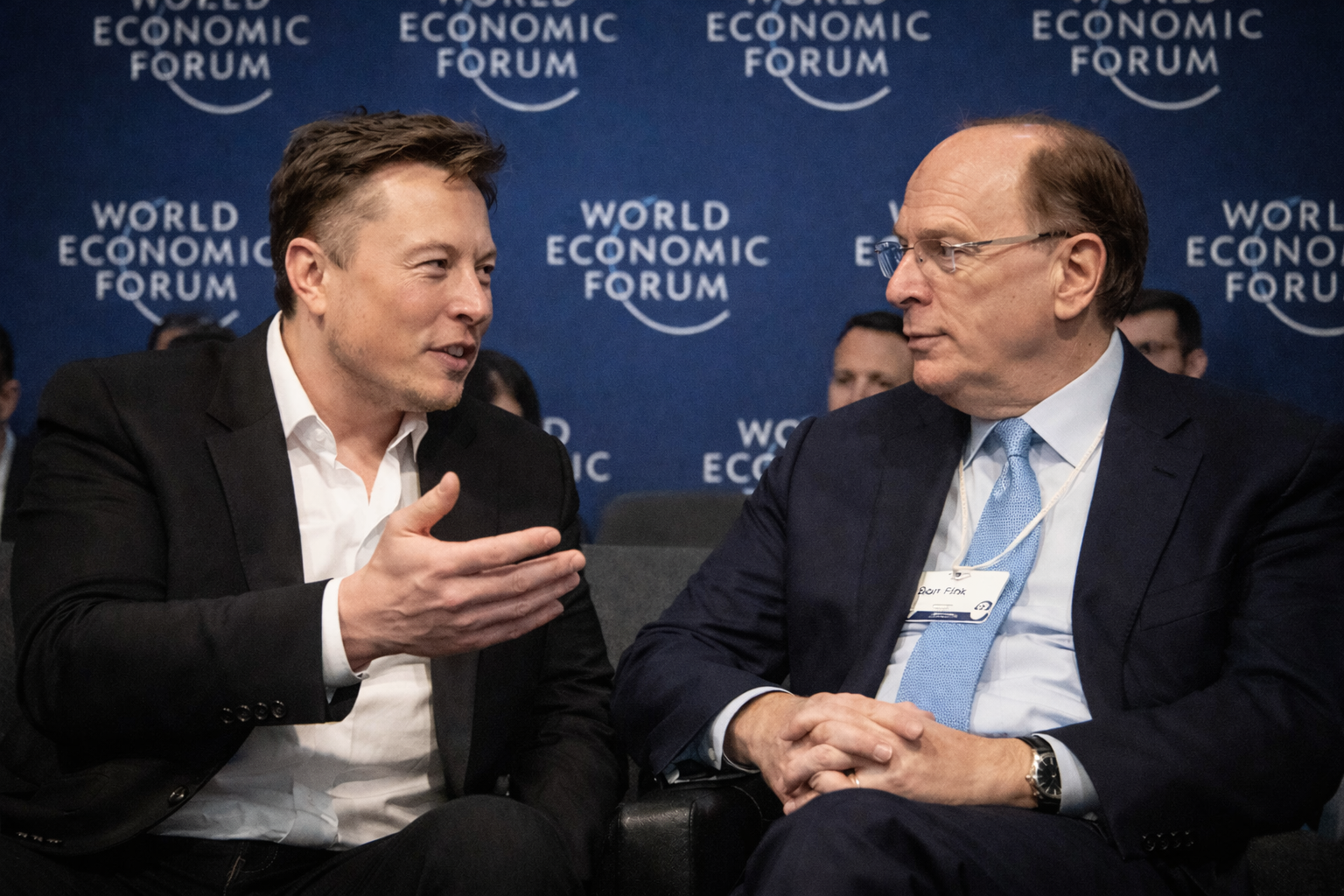
1. The Duel of Visions: Utopia of Abundance vs. Reality of Infrastructure
The World Economic Forum at Davos in January 2026 was more than just a meeting; it was a stage where two monumental forces collided.
Elon Musk presents a "Hypothesis of Abundance," predicting that Artificial General Intelligence (AGI) will surpass individual human intelligence by the end of 2026. He envisions a world where humanoid robots eliminate labor costs, ushering in an era of post-scarcity.
Conversely, Larry Fink of BlackRock offers a grounded, capital-intensive perspective. He defines the AI-driven re-industrialization as "the most massive infrastructure buildout in human history," shifting focus toward steel, copper, and the power grid.
[Second-Order Thinking] While the visionary looks toward the "sky" (technological ideals), the capitalist secures the "ground" (infrastructure) that supports those ideals. As an investor, I am drawn to the bottleneck zones—the gap between the dream of software and the reality of physical limitations.
2. The Next Battlefield: Transformer Cliffs and Grid Congestion
The true battle for AI supremacy will be fought in the power grid, not just in semiconductors. Data suggests a glaring mismatch: a data center can be erected in roughly 24 months, but securing its connection to a high-voltage grid can take up to 7 years.
Furthermore, the supply of ultra-high-voltage transformers is hitting a wall, with lead times now stretching to 4 years. This is a structural bottleneck that cannot be resolved overnight. In an era where energy security is national security, "friend-shoring" the supply chain becomes a strategic imperative.
3. Strategic Sectors: Powering the "Body" of AI
If the U.S. controls the "Brain" (AI models), manufacturing powerhouses like South Korea are increasingly supplying the "Body" (power equipment and chips).
- North American Utilities & IPPs: Clean, 24/7 power (CFE) is no longer a luxury but a necessity for Big Tech.
- Grid Management & Solutions: Modernizing ancient grids and ensuring efficient energy distribution is now a matter of economic survival.
- High-Voltage Power Equipment: This sector is enjoying a "super-cycle," backed by long-term order backlogs and high barriers to entry due to technical expertise.
- Nuclear Energy & Security: Amidst geopolitical instability, nuclear energy is re-emerging as the most reliable alternative for energy sovereignty.
4. Epilogue: Investing in "The Climb"
We must not be blinded by the shimmering summit of AI technology. The true value lies in "The Climb"—the arduous process of rebuilding the global energy infrastructure.
A prudent portfolio should now allocate significantly to physical infrastructure that generates steady cash flow, while maintaining "dry powder" (cash) for periods of technological disillusionment. The manufacturing prowess required to build the physical world remains a moat that machines cannot easily replicate.
"Software's dreams are only realized on hardware's ground". Today, I reinvest my focus on those who are laying the bricks and forging the steel for the world of tomorrow.